
Building a Home Reading Nook: A Small, Well-Lit Corner for Daily Reading
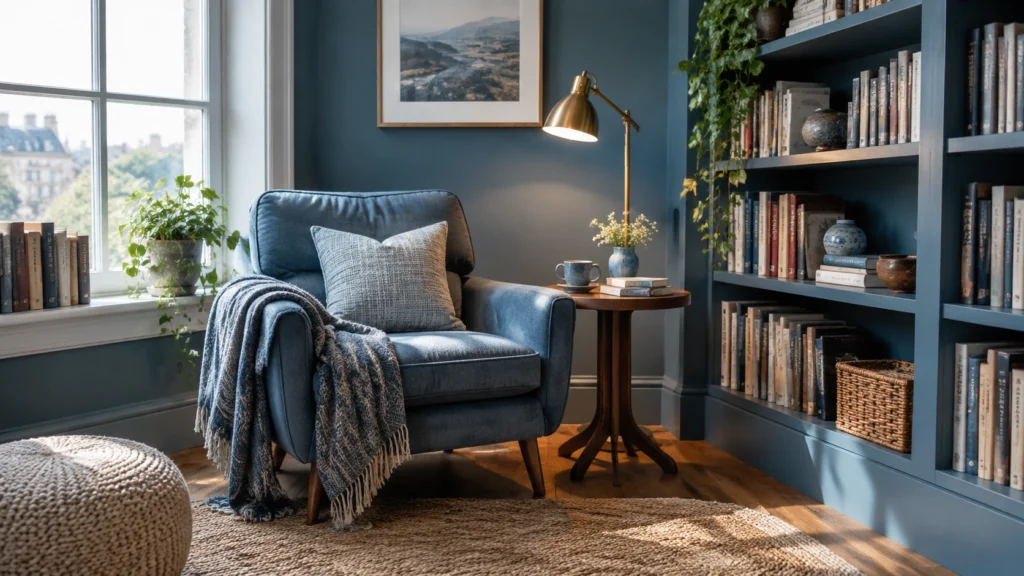
A public shelf of useful reading works because it makes books visible, reachable, and inviting. The same principle can work at home. A small, well-lit corner with a few curated books can turn reading into a daily habit rather than a chore. This guide to building a home reading nook on a small budget focuses on practical choices that support attention, comfort, and consistency.
Start with a quiet boundary
A reading nook does not need a separate room. It needs a clear boundary that tells the brain what happens there. Choose a corner that is away from the busiest path in the home, such as the end of a hallway, a spot beside a window, or a sheltered section of a bedroom. If the space is shared, use a rug, a screen, or a low shelf to mark the area without closing it off.
Keep the nook dedicated to reading. A laptop, a laundry pile, or a work folder in the same zone sends mixed signals. The goal is simple: when you sit down, the main decision has already been made.
Observe the light
Light is the first design material. In the daytime, place the chair so that light falls over your shoulder rather than directly into your eyes. Avoid sitting with bright sun behind the page, which creates glare and forces the eyes to work harder. In the evening, use a warm, adjustable lamp with a shade that directs light onto the page without spilling into the rest of the room.
Aim for even illumination and a comfortable contrast between the page and the surrounding space. If the room is very bright, a simple filter such as a sheer curtain can soften harsh light. If the corner is dim, a small clip lamp or a floor lamp may be enough. The best setup is one you can use without hunting for a switch or rearranging furniture every time.
Choose comfort that supports attention
Comfort matters, but luxury is not the point. A chair should support a relaxed posture for at least fifteen minutes. Test the seat height, back support, and arm position. Your feet should rest easily, and your neck should not bend sharply toward the page. If the chair is firm, add a cushion or a folded blanket. If it is too soft, place a cushion under the hips rather than allowing the body to sink.
Keep a small surface nearby for a cup of water, a pen, or a notebook. A stool, a stack of books, or a wall-mounted shelf can do the job. Leave enough open space to shift position without feeling crowded.
Control sound gently
Complete silence is rare, especially in a shared home. Reduce sharp interruptions instead of chasing perfection. A closed door, a soft rug, or a small white-noise source can help. If household sounds remain, try short reading periods before deciding that the space is unusable. A predictable rhythm often matters more than a perfect environment.
Curate a shelf you can actually use
A crowded shelf can make reading feel like homework. Begin with a small selection: three to six books that you genuinely want to read next. Place them face out when possible, because a visible cover is easier to choose than a row of spines. Keep the rest of the collection elsewhere and rotate titles when your interests change.
Arrange books by invitation rather than status. Put an easy, absorbing book at eye level, a challenging book nearby, and a short collection of essays or poems for low-energy moments. Mix formats if that helps: a paperback, a library book, and an audiobook can share the same corner without competing for attention.
Use the public-shelf idea at home
A public shelf works because it offers a clear next step. Recreate that feeling with a small basket or tray labeled for the current week. Add a bookmark, a pencil, and a note that says where you left off. This removes tiny delays that often become reasons to postpone reading.
Borrowing is another way to keep the shelf useful. A library visit can refresh the nook without filling it with purchases. If you buy, choose books that match your actual reading life rather than an imagined version of it. A short, interesting book completed on Tuesday can build more confidence than an impressive title left untouched for months.
Build a routine around the corner
The nook works best when it is paired with a small, repeatable cue. Attach reading to something you already do: after your morning coffee, before bed, or during the first quiet ten minutes after work. Place the book where you will see it, set a gentle time limit, and begin without negotiating with yourself.
Start with a modest target. Ten minutes is enough to establish a pattern, and a chapter can be a natural stopping point. Track consistency in a simple mark on a calendar rather than counting pages. If you miss a day, return to the corner instead of restarting the entire plan.
Make the space inviting, not perfect
Add one or two objects that make the corner feel personal: a plant, a framed photograph, a soft throw, or a small dish for bookmarks. Keep the palette calm and avoid decorative clutter near the page. The nook should feel finished enough to welcome you and quiet enough to let the book lead.
Review the setup after two weeks. Move the lamp if the light is uneven, change the chair if your back stiffens, or reduce the shelf if choices feel overwhelming. A reading habit grows through small corrections, not through a single perfect arrangement.
Conclusion
A useful reading corner is a modest investment with a clear return. Define the boundary, improve the light, choose steady comfort, and keep a short list of books within reach. Then protect a small daily window for reading. Over time, the corner becomes a reliable place to begin, and beginning is the part that turns reading from a chore into a habit.